Comparing Portable Shed Materials: Why Cypress Wood Stands Out
When choosing a material for a portable shed, the variety of options can be overwhelming. Each material offers unique benefits and drawbacks, impacting durability, appearance, and maintenance needs. Among these choices, Cypress wood has emerged as a standout option thanks to its exceptional qualities.
Understanding Common Shed Materials
Portable sheds can be constructed from a range of materials, including metal, plastic, and various types of wood. Each material has its pros and cons:
- Metal: Known for its durability and resistance to pests but can be prone to rust.
- Plastic: Offers low maintenance and weather resistance but may lack aesthetic appeal.
- Wood: Provides a traditional look and can be customized but requires regular maintenance.
The Unique Properties of Cypress Wood
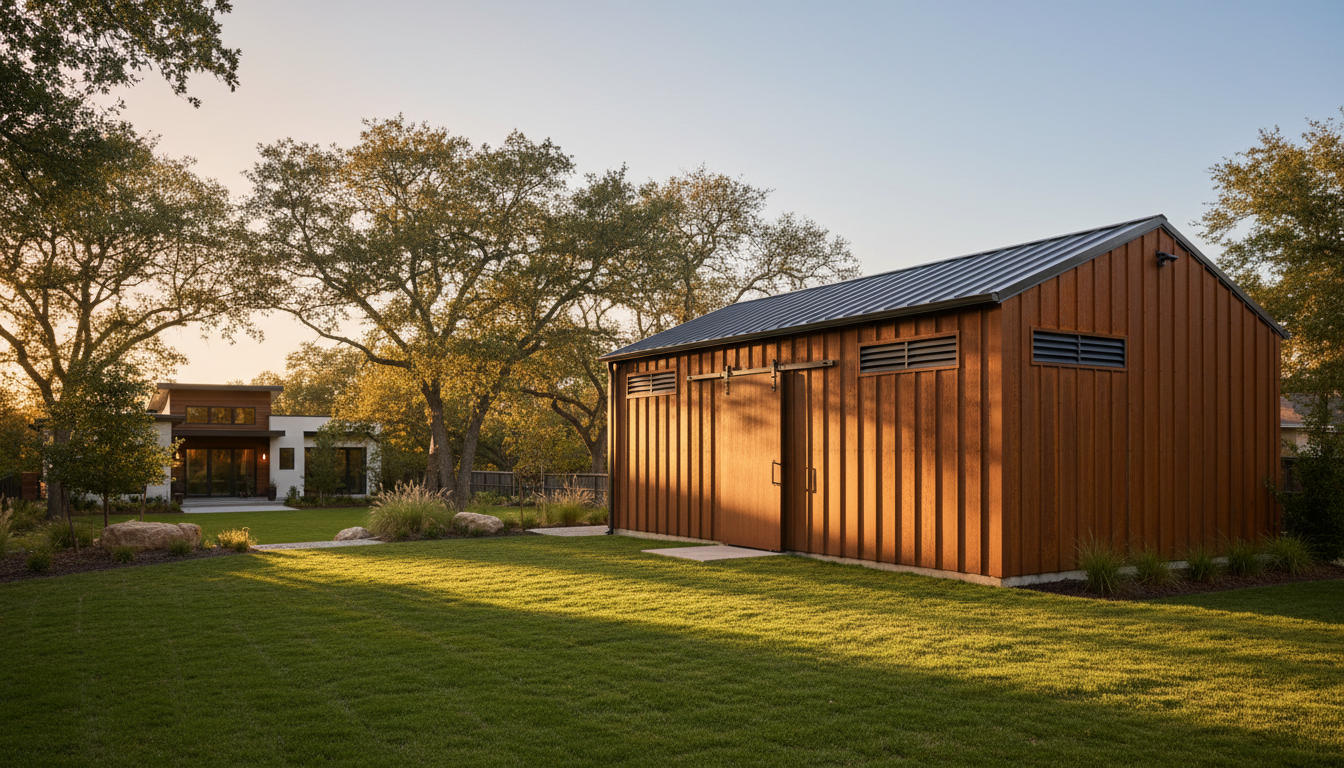
Cypress wood stands out among wooden options due to its unique properties. It is naturally resistant to decay, insects, and harsh weather conditions, making it an ideal choice for outdoor structures like portable sheds.
In addition to its resilience, cypress wood has a beautiful appearance, featuring a distinct grain pattern and warm color. This aesthetic appeal can enhance the overall look of your garden or backyard.
Durability and Longevity
One of the most compelling reasons to choose cypress wood is its durability. Thanks to its natural oils, cypress is less prone to warping, cracking, or shrinking compared to other woods. This means your shed will maintain its integrity over time, even in fluctuating weather conditions.
Environmental Considerations
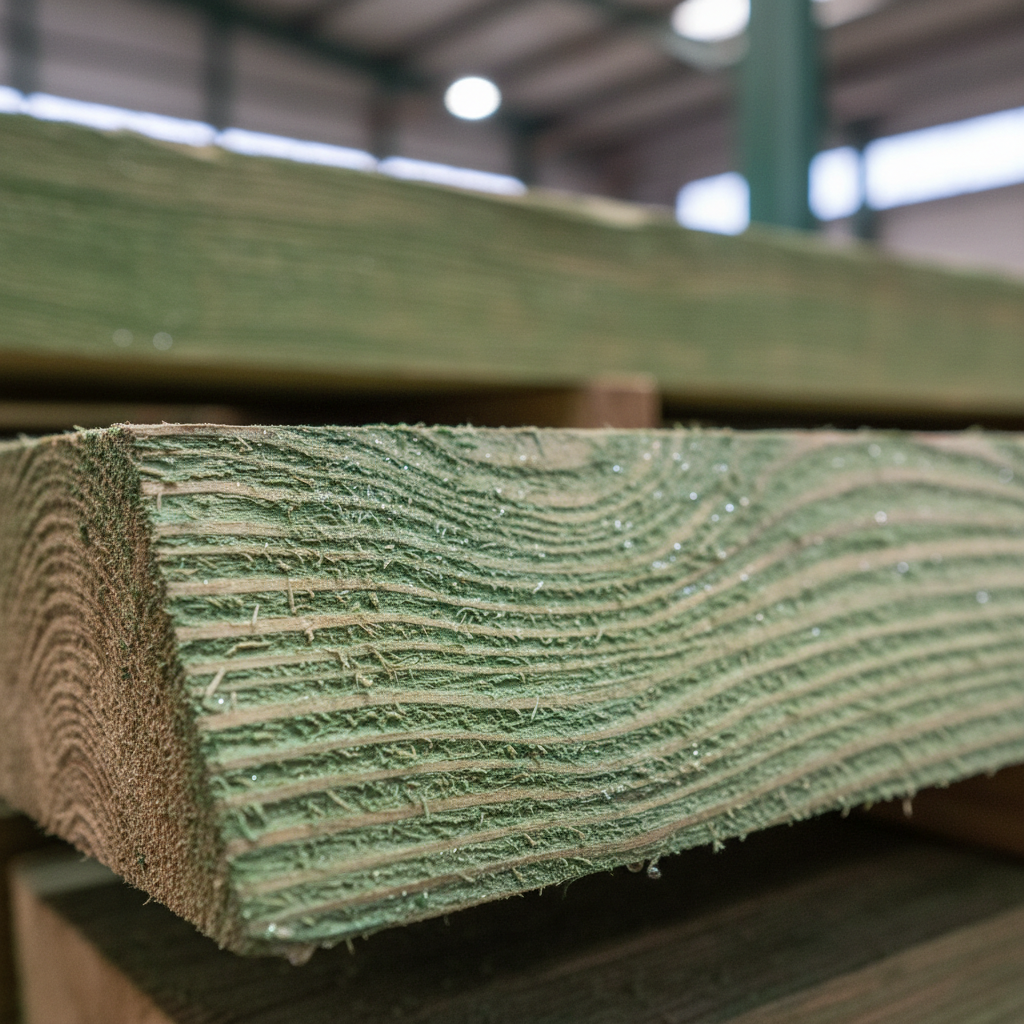
Cypress wood is often harvested from sustainable sources, making it an environmentally friendly choice. When selecting cypress for your shed, you can often find options certified by organizations focused on sustainable forestry practices.
Additionally, choosing a wooden shed over metal or plastic can reduce your environmental footprint. Wood is a renewable resource, and cypress sheds can often be recycled or repurposed at the end of their life cycle.
Maintenance Needs
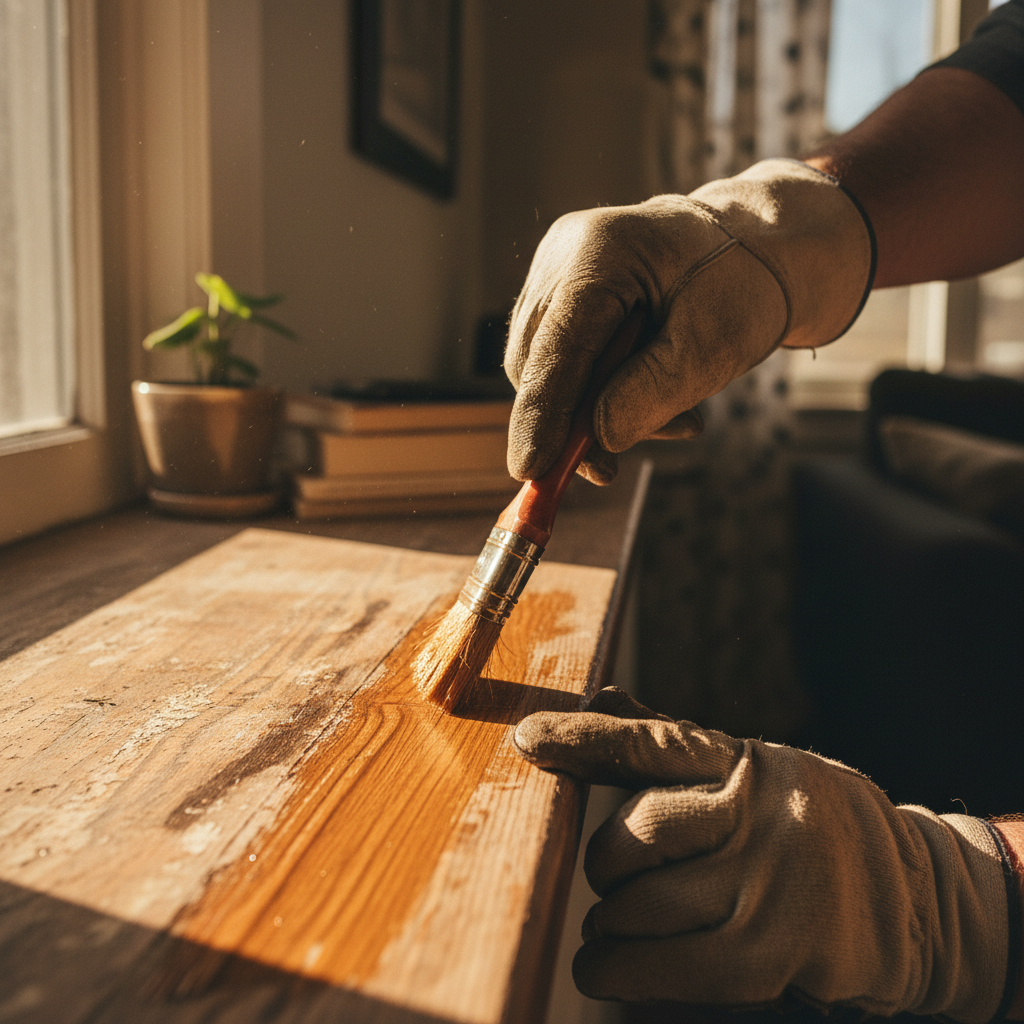
Despite its natural resilience, cypress wood does require some maintenance to keep it looking its best. Regular sealing or staining can help preserve its color and prevent moisture absorption. However, the effort is minimal compared to the benefits of a long-lasting, beautiful shed.
Cost Considerations
While cypress wood may come at a higher initial cost compared to other materials, the investment is worthwhile. Its longevity and minimal maintenance needs can lead to savings over time, as you avoid the frequent repairs or replacements often required by other materials.
In conclusion, when comparing portable shed materials, cypress wood stands out for its durability, aesthetic appeal, and environmental benefits. While it may require a higher upfront investment, the long-term advantages make it a smart choice for those seeking a reliable and attractive outdoor structure.