How to Choose the Perfect Garden Shed for Your Backyard
Understanding Your Needs
Choosing the perfect garden shed begins with understanding your specific needs. Consider what you will use the shed for. Is it for storing garden tools, housing hobbies, or even serving as a small workshop? Defining the purpose will guide other decisions such as size, materials, and design. A shed used for storage may only need basic shelving, while a workshop might require windows and electricity.
Assessing Space and Location
Once you know the purpose, assess the space available in your backyard. Measure the area where you plan to place the shed, keeping in mind that you’ll need access to all sides for maintenance. Consider the location in terms of sun exposure, proximity to the house, and ease of access. Also, check local regulations regarding placement and size restrictions.
Choosing the Right Size
The size of your garden shed should align with your needs and the available space. A small shed might suffice for basic storage, but larger projects or multiple uses may require a bigger structure. Remember, it’s often better to opt for a slightly larger shed than you think you'll need.
Material Selection
Garden sheds come in various materials, each with its advantages. Wooden sheds offer a classic look and can be painted or stained. However, they require regular maintenance to withstand weather conditions. Metal sheds are durable and low-maintenance but may not blend as seamlessly with a garden setting. Plastic sheds are lightweight and weather-resistant, making them an excellent choice for those looking for minimal upkeep.
Design and Aesthetics
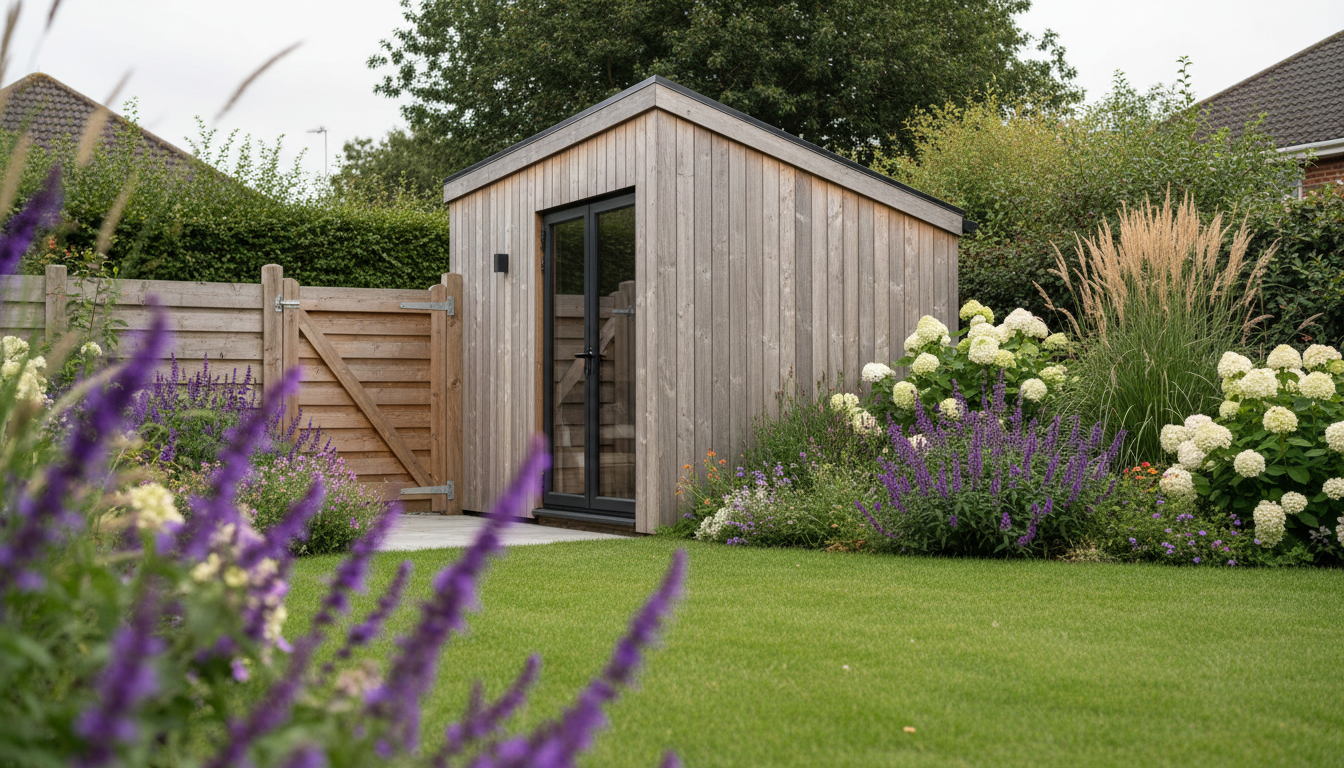
Your garden shed should complement the overall aesthetic of your backyard. Consider the architectural style of your home and existing garden features. You may want a shed with decorative elements or one that can be easily customized with paint or landscaping. The design should enhance both functionality and visual appeal.
Budget Considerations
Setting a budget is crucial before making any decisions. Prices vary based on size, materials, and features. Weigh the cost against your requirements and future plans. Sometimes investing a little more upfront can save money in long-term maintenance and durability.
Additional Features
Think about any additional features that could enhance the usability of your shed. Do you need windows for natural light, or perhaps a skylight? Would built-in shelving or a ramp for easy access be beneficial? Tailor these features to your specific needs to maximize the utility of your garden shed.
Installation and Assembly
Finally, consider how the shed will be assembled. Some sheds come as kits with detailed instructions, allowing for DIY installation, while others may require professional help. Assess your skills and tools before deciding to do it yourself. Hiring a professional might be more cost-effective if it ensures the job is done correctly and safely.
In conclusion, choosing the perfect garden shed involves careful consideration of your needs, available space, materials, design, budget, and additional features. By taking the time to evaluate each aspect, you can find a shed that not only serves its purpose but also enhances the beauty and functionality of your backyard.