How to Choose the Right Size Shed for Your Needs: A Comprehensive Guide


Understanding Your Storage Needs
Before purchasing a shed, it's essential to assess your storage needs. Consider what items you plan to store and their sizes. Are you storing gardening tools, bicycles, or even larger items like lawnmowers? Understanding the amount and type of items will help determine the appropriate shed size.
Take inventory of everything you plan to keep in the shed. This will give you a clearer picture of the space required. Additionally, think about future needs. You might acquire more tools or equipment over time, so consider a slightly larger shed to accommodate growth.
Available Space and Location
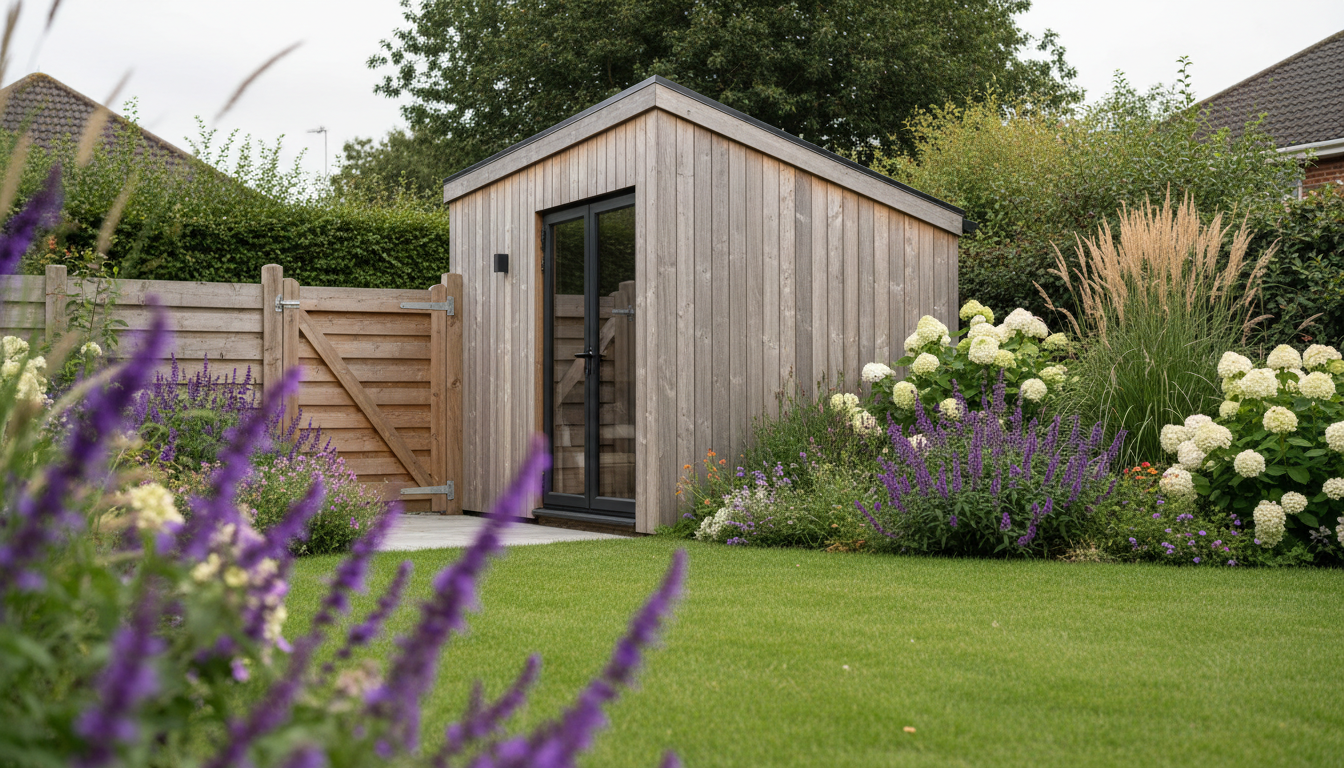
Next, evaluate the space available in your yard. Measure the area where you plan to place the shed. Remember to account for clearance around the shed for easy access and maintenance. Consider factors such as sunlight and drainage, which can affect the shed's location.
It’s also crucial to check with local zoning laws or homeowner association rules. Some areas have restrictions on shed size and placement, so ensure your choice complies with regulations.
Shed Sizes and Dimensions
Sheds come in a variety of sizes and dimensions. Here's a breakdown of common sizes to help you choose:
- Small Sheds (6x8 or smaller): Ideal for storing garden tools and small equipment.
- Medium Sheds (8x10 to 10x12): Suitable for storing bicycles, larger tools, and small furniture.
- Large Sheds (10x16 and above): Perfect for housing lawnmowers, ATVs, and even serving as a workshop.
Choosing the right size depends on both your current needs and potential future use. A slightly larger shed often proves more beneficial in the long run.
Material Considerations
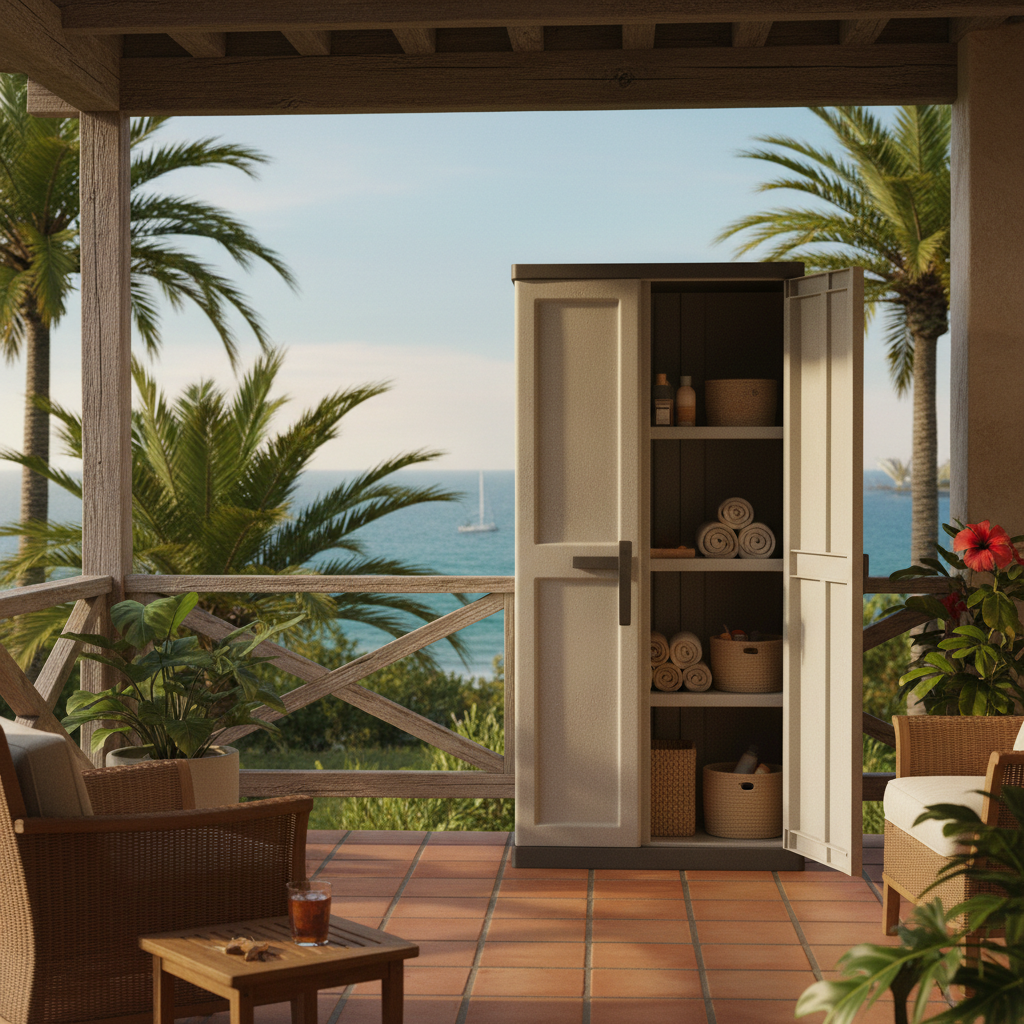
The material of your shed can influence the overall size and design. Common materials include wood, metal, and plastic. Wooden sheds, for example, often offer customization options and can blend well with garden aesthetics. However, they may require more maintenance.
Metal sheds tend to be more durable and secure, while plastic sheds are lightweight and easy to assemble. Choose a material that suits your climate and durability needs.
Budget and Cost
Finally, consider your budget. Shed prices vary based on size, material, and additional features like windows or shelving. While it's tempting to save money with a smaller or cheaper shed, investing in a high-quality, appropriately sized shed can offer better value over time.
Keep an eye out for sales or discounts, and remember that a well-built shed can enhance your property's value.
Conclusion
Selecting the right size shed requires careful consideration of your storage needs, available space, and budget. By planning ahead and considering future growth, you can choose a shed that will serve you well for years to come.
Take the time to research and compare options to find the perfect fit for your yard and lifestyle. A well-chosen shed not only provides storage but also enhances the functionality and appeal of your outdoor space.