How to Prepare Your Garden Shed for Changing Seasons
Assess the Condition of Your Garden Shed
As the seasons change, it's essential to give your garden shed a thorough inspection. Look for any signs of damage, such as leaks, rot, or pest infestations. Identifying these issues early can save you time and money in the long run. Pay special attention to the roof and foundation, as these areas are most susceptible to wear and tear.
Check the doors and windows to ensure they close securely, as this will keep out unwanted moisture and pests. If you find any problems, address them promptly to prevent further damage.

Organize and Declutter
Before the new season begins, take the time to organize your shed. Start by removing everything from the space and sorting items into categories such as tools, gardening supplies, and seasonal decorations. This will help you see what you have and identify any items that need replacing or repair.
Consider creating designated zones within your shed for different types of items. Use shelving, hooks, and bins to keep everything tidy and accessible. Decluttering not only makes it easier to find what you need but also maximizes your storage space.

Prepare for Extreme Weather
Depending on your location, your shed may need extra protection against extreme weather conditions. In areas prone to heavy snowfall, ensure the roof can handle the weight by reinforcing it if necessary. For regions with high winds, inspect and secure the structure to prevent damage.
Applying a weatherproof sealant to the exterior can help protect against rain and humidity. Additionally, consider investing in a good-quality tarp to cover outdoor items that won't fit inside the shed.
Maintain Your Tools and Equipment
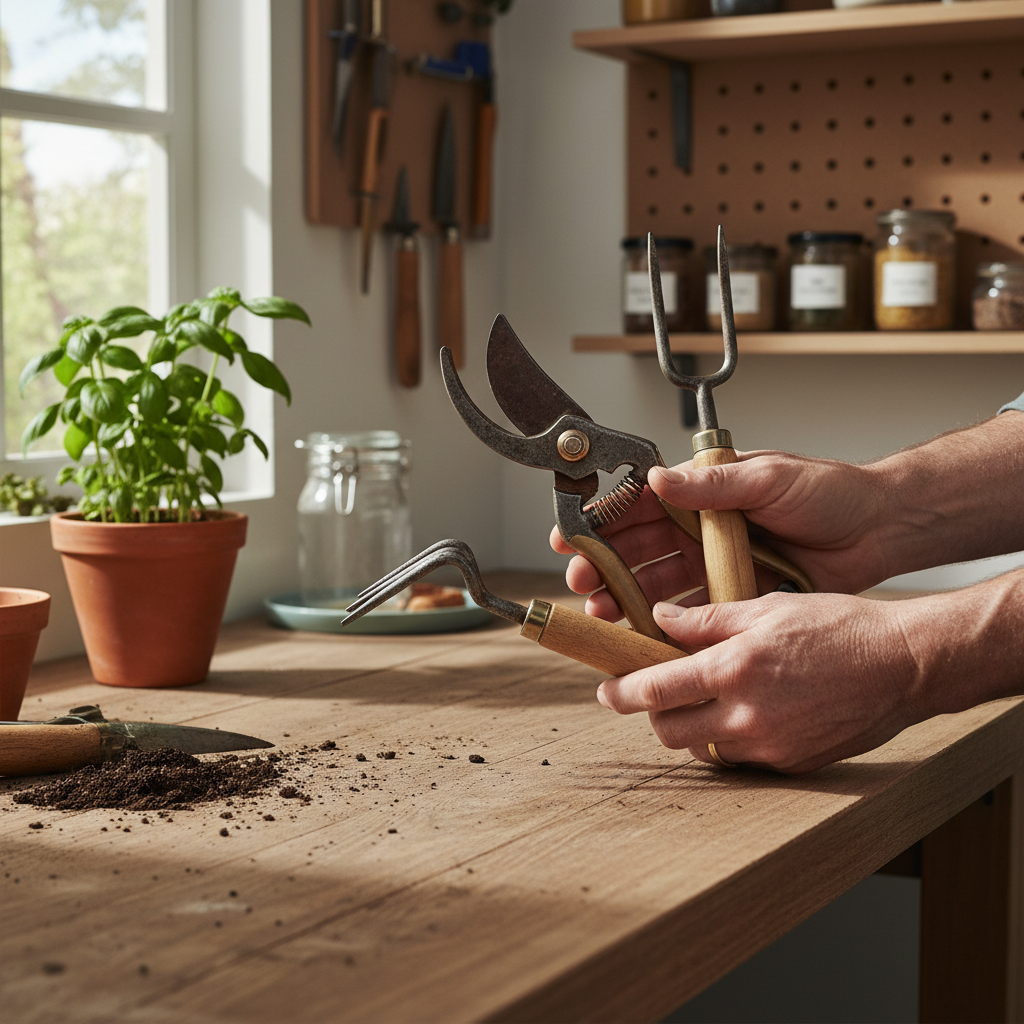
Proper maintenance of tools and equipment is crucial for their longevity and performance. Clean and oil metal parts to prevent rust and sharpen blades to ensure they are ready for use. Check power tools for any signs of wear or damage, and replace faulty parts as needed.
Store tools properly by hanging them on racks or placing them in designated bins. This not only keeps them in good condition but also makes them easier to find when you need them.
Insulate for Efficiency
To make your garden shed more comfortable and energy-efficient, consider adding insulation. This can help regulate the temperature inside, making it more pleasant to work in during colder months. Insulation can also protect your stored items from temperature fluctuations, reducing the risk of damage.
Options for insulation include foam boards, fiberglass batts, or reflective foil. Choose the type that best suits your needs and budget.
Final Touches for a Functional Space
Once your shed is organized and prepared for the changing seasons, add some final touches to enhance its functionality. Install adequate lighting to ensure you can work safely, even during shorter daylight hours. Consider adding a small workbench for potting plants or repairing tools.
With everything in place, your garden shed will be ready to serve you efficiently, no matter the season. Taking these steps now will ensure a smooth transition and keep your gardening activities running seamlessly.